 Business License

What is Colloidal Microcrystalline Cellulose (MCC Gel)
Colloidal microcrystalline cellulose (MCC gel) is widely used as a suspension stabilizer in food and pharmaceutical systems. It forms a three-dimensional network that prevents particle sedimentation and improves long-term stability.
Compared to traditional stabilizers such as starch or CMC, MCC gel provides superior suspension performance and maintains stability under heat and shear conditions.
What Is Colloidal Microcrystalline Cellulose (MCC Gel)?
Colloidal microcrystalline cellulose (MCC gel) is a structured cellulose-based suspension system made from microcrystalline cellulose (MCC) and carboxymethyl cellulose (CMC) through a co-processing method. It functions as a three-dimensional thixotropic network that stabilizes insoluble particles in liquid formulations.
Unlike conventional thickeners that only increase viscosity, colloidal MCC builds a physical gel architecture that holds particles in permanent suspension — regardless of processing stress, heat, or storage conditions.
It is widely used in food, pharmaceutical, and industrial applications as a functional suspension and stabilization system.
How Does Colloidal MCC Work?
When dispersed in water, colloidal MCC undergoes a hydration and network-forming process. The CMC component hydrates first, separating MCC microfibrils and allowing them to form a stable colloidal suspension.
The result is a reversible, thixotropic gel system with three distinct behavioral states:
At rest: Microfibrils re-entangle into a three-dimensional network, holding all particles in fixed, uniform suspension.
Under shear: The network disrupts and viscosity drops, allowing the system to flow freely through pumps, mixers, and homogenizers during production.
After shear: Structure rebuilds spontaneously — no external stimulus required. The gel network re-forms at rest, restoring long-term stability in the final product.
This thixotropic behavior maintains suspension stability through heat sterilization, acidic pH environments, high-shear mixing, and freeze-thaw cycles — conditions that degrade starch- and gum-based systems.
Why Was Colloidal MCC Developed?
Colloidal MCC was developed to solve a fundamental formulation challenge across multiple industries:
How do you keep insoluble particles stable inside a liquid system — permanently — without sedimentation, phase separation, or texture collapse?
Traditional stabilizers such as starch, CMC alone, or HPMC address viscosity but cannot build a true structural network. Colloidal MCC solves this problem at the architectural level through three interdependent mechanisms:
1. Particle Network EntanglementMicrofibrils interlock to form a continuous load-bearing matrix throughout the liquid system, physically holding particles in place.
2. Water Immobilization StructureFree water is bound within the network, eliminating the sedimentation pathways that cause particle settling over time.
3. Shear-Thinning Gel BehaviorThe system flows easily under mechanical stress and rebuilds its gel structure at rest — the defining property of thixotropy.
Technical Specifications of Colloidal MCC
Colloidal MCC is available in multiple grades suited for different application requirements. Key technical parameters are as follows:
| Test Items | ACT591 | ACT3212 | ACT611 | ACT538 | ACT521 |
|---|---|---|---|---|---|
| Loss on drying (w/%) | ≤7.0 | ≤7.0 | ≤7.0 | ≤7.0 | ≤7.0 |
| Residue on ignition (w/%) | ≤5.0 | ≤5.0 | ≤5.0 | ≤5.0 | ≤5.0 |
| Viscosity, 1.2%, mPa·s | 39–91 | 50–200 | 50–151 | 39–175 | 50–100 |
| Particle size (60 mesh sieve) | <1% | <1% | <1% | <1% | <1% |
| Heavy metal (mg/kg) | ≤10 | ≤10 | ≤10 | ≤10 | ≤10 |
| Total aerobic microbial count (cfu/g) | ≤1000 | ≤1000 | ≤1000 | ≤1000 | ≤1000 |
| Total moulds & yeasts (cfu/g) | ≤100 | ≤100 | ≤100 | ≤100 | ≤100 |
| E. coli | Not detected / 10g | Not detected / 10g | Not detected / 10g | Not detected / 10g | Not detected / 10g |
| Salmonella | Not detected / 10g | Not detected / 10g | Not detected / 10g | Not detected / 10g | Not detected / 10g |
| Primary Application | Food & beverage | Milkshake, sauce | Food & beverage | Neutral milk drinks, vegetable protein drinks | Food & beverage |
Typical Physical Properties:
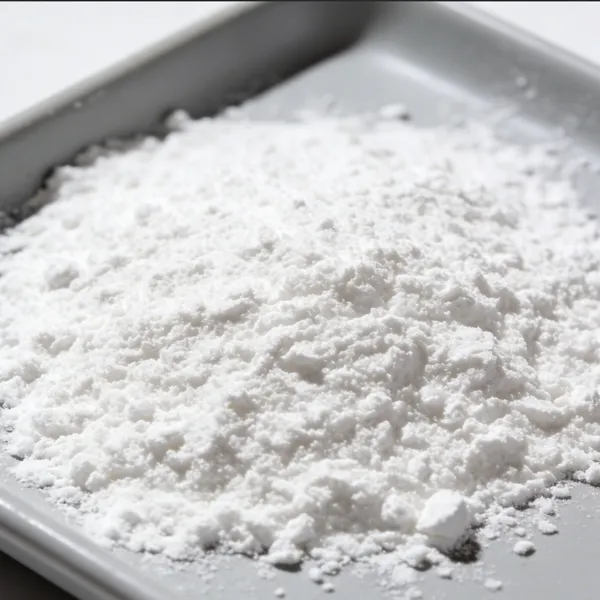
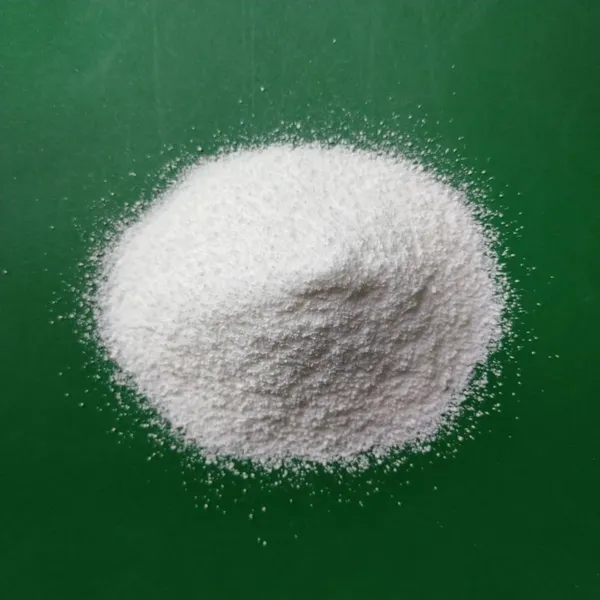
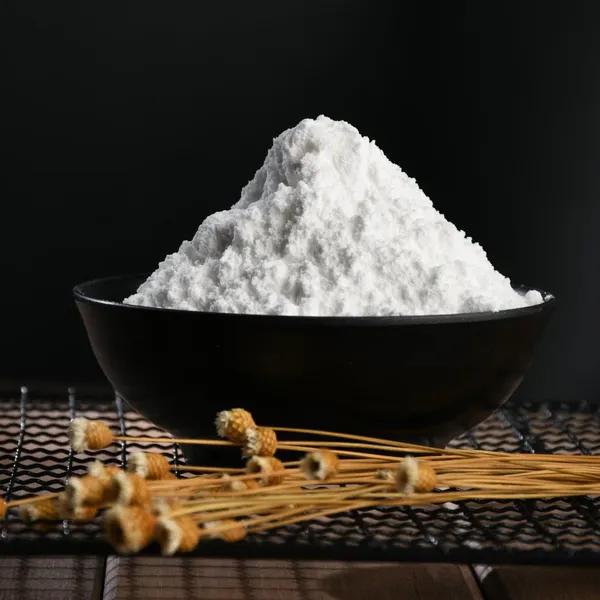
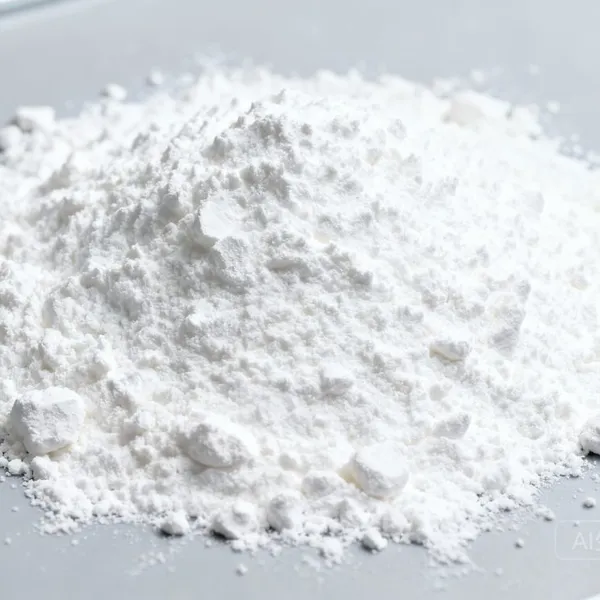
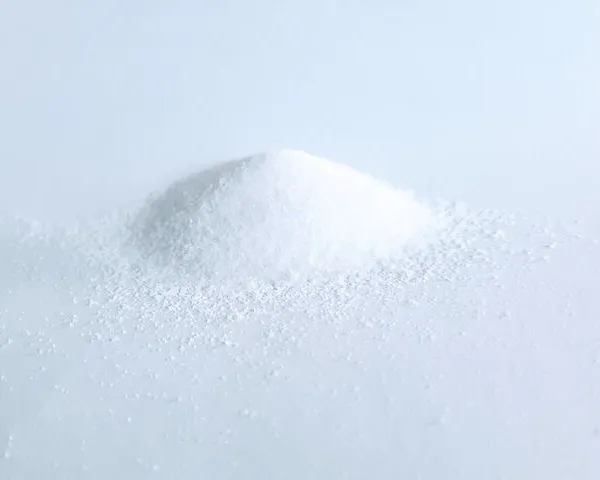
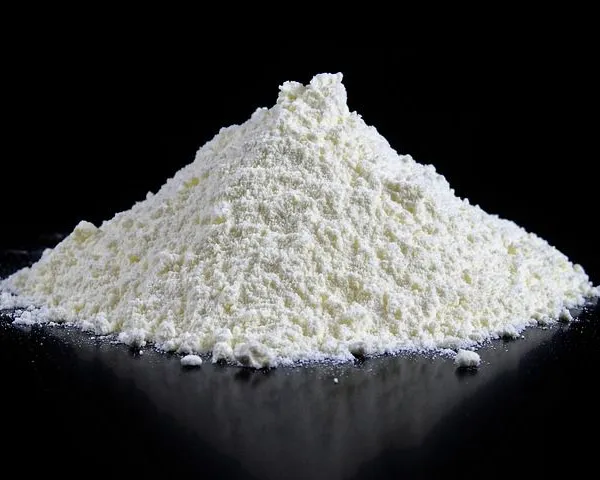
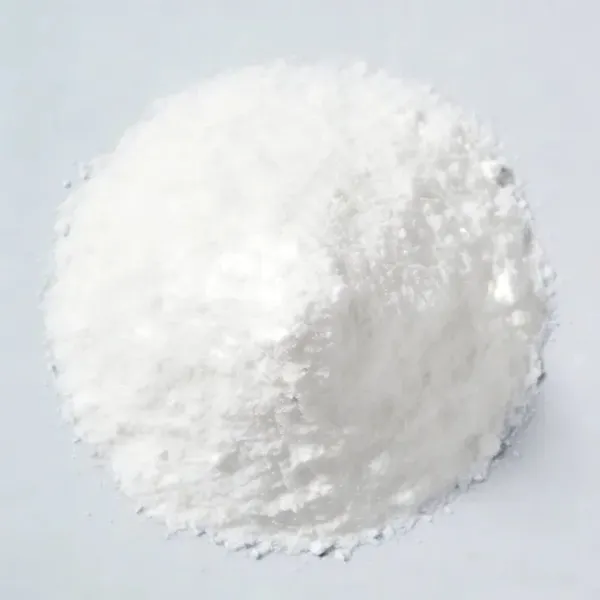
Appearance: white to off-white powder
pH (1% solution): 6.0–8.0
Loss on drying: ≤7.0%
Recommended dosage: 0.1%–1.0% depending on application
For full technical data sheets and sample requests, visit: https://www.actabiotechnology.com/product/colloidal-microcrystalline-cellulose/
Colloidal MCC Applications in Food Systems
In food manufacturing, colloidal MCC is essential in any product where insoluble particles, fats, or proteins must remain evenly distributed throughout shelf life.
Ice Cream Texture StabilizationPrevents ice crystal growth and fat phase separation during storage and temperature fluctuation. Delivers consistent texture from factory to consumer.
Plant-Based Milk SuspensionKeeps insoluble oat, almond, or soy particles homogeneously distributed in low-viscosity systems. Eliminates the sedimentation layer that forms in unstabilized plant milks. Grade ACT538 is particularly effective in vegetable protein drinks.
Dairy Beverage UniformityMaintains protein and mineral suspension in UHT-processed dairy drinks throughout extended shelf life. Grade ACT538 is suited for neutral milk drink applications.
Sauce and Emulsion StabilizationProvides long-term emulsion stability in dressings, gravies, and blended sauces. Grade ACT3212 is recommended for milkshake and sauce systems.
General Food and Beverage SystemsGrades ACT591, ACT611, and ACT521 are designed for broad food and beverage applications where suspension stability and clean-label compliance are both required.
Colloidal MCC Applications in Pharmaceutical Systems
In pharmaceutical liquid formulations, colloidal MCC provides the precision suspension stability required for dose accuracy and patient compliance.
Oral Suspension FormulationEnsures uniform API distribution in each dose unit — critical for therapeutic consistency in antibiotics, antacids, and pediatric medications.
Pediatric Liquid StabilityMaintains stable, easy-to-redisperse suspensions in syrups and drops designed for children, where accurate dosing is non-negotiable.
API Dispersion SystemsPrevents active ingredient sedimentation in low-solubility API liquid formulations where conventional stabilizers are insufficient.
Controlled Viscosity LiquidsDelivers target viscosity profiles suitable for oral delivery or topical pharmaceutical application.
Colloidal MCC Applications in Industrial Systems
Cosmetic EmulsionsStabilizes oil-in-water systems and suspends insoluble actives in lotions and serums, contributing to long shelf life and smooth texture.
Personal Care GelsProvides elegant, thixotropic texture in gels and cleansers while keeping suspended particles uniformly distributed.
Paint and Coating SuspensionPrevents pigment settling and maintains even color distribution through extended storage periods.
Ceramic Slurry StabilizationControls rheology and particle settling in casting slips and glazes, improving consistency in ceramic manufacturing.
Why Industry Chooses Colloidal MCC Over Conventional Stabilizers
Formulation scientists consistently select colloidal MCC over conventional stabilizers for four fundamental performance reasons:
Structure, Not Just ViscosityMCC gel creates a physical framework that holds particles in place. Conventional thickeners only increase resistance to flow — they cannot prevent settling once a product is at rest on a shelf.
Long-Term Sedimentation PreventionThe three-dimensional network remains intact through the product's full shelf life, including in high-density particle systems where other stabilizers fail progressively over time.
Processing Condition ResilienceColloidal MCC performs reliably under heat sterilization, acidic pH, high-shear mixing, and freeze-thaw cycling — the exact conditions that degrade starch- and gum-based systems most quickly.
Clean-Label Functional SystemAs a cellulose-derived ingredient (E460ii), MCC gel meets clean-label expectations while delivering the technical performance of more complex synthetic stabilizer blends.
Colloidal MCC vs. Alternative Stabilizers
Colloidal MCC vs. CMCCMC is a solubility-based thickener. It increases viscosity but cannot form a structural suspension network. Colloidal MCC uses CMC as a structural component within a co-processed architecture. CMC thickens; colloidal MCC builds a lasting network.
Colloidal MCC vs. StarchStarch provides short-term, swelling-based viscosity that breaks down under heat, shear, and acidic conditions. Colloidal MCC is stable under all three of these conditions and rebuilds its network after mechanical disturbance.
Colloidal MCC vs. HPMCHPMC is a viscosity modifier useful in solid dosage forms and coatings. In liquid systems, it provides viscosity-dependent suspension only — as viscosity decreases over time, suspension performance declines with it. Colloidal MCC maintains suspension through structural entanglement rather than viscosity alone.
Colloidal MCC vs. Xanthan GumXanthan gum offers a partial gel network but is sensitive to salt concentration, high-acid environments, and heat cycling. Colloidal MCC delivers more consistent long-term performance across a wider range of processing conditions.
Key distinction: Colloidal MCC is a suspension architecture system. All other listed stabilizers are primarily viscosity management tools — they differ from MCC gel in mechanism, not merely degree of effectiveness.
Regulatory Status and Safety
Colloidal MCC is classified as E460(ii) in the European Union food additive framework and is approved for food use by the US FDA (GRAS) and regulatory authorities in many other jurisdictions. In pharmaceutical applications, it is listed in major pharmacopeias including the USP, EP, and JP.
It is derived from plant cellulose and passes through the digestive system without absorption or accumulation in the body.
Frequently Asked Questions
What is colloidal MCC used for?
Colloidal MCC is used to stabilize insoluble particles in liquid formulations across food, pharmaceutical, and industrial sectors. Applications include oral suspension stabilization in medicines, texture control in dairy and plant-based beverages, emulsion stabilization in sauces, and rheology management in cosmetics and coatings.
What is the difference between MCC powder and MCC gel?
MCC powder is a dry binder and filler used in tablets. MCC gel is a co-processed product combining MCC with CMC, designed specifically to form a thixotropic suspension network in liquid formulations. They share a base material but serve entirely different functions.
Is MCC gel safe?
Yes. It is approved as E460(ii) in the EU, listed as GRAS by the FDA, and included in the USP, EP, and JP pharmacopeias. It is plant-derived and non-absorbable.
Why is CMC used in MCC gel?
CMC enables the hydration and separation of MCC microfibrils in water. Without CMC, MCC particles would aggregate and settle rather than forming a network. CMC is structurally integrated into the gel architecture — it does not function as a standalone thickener in this system.
What is thixotropy and why does it matter?
Thixotropy means the gel becomes thinner under mechanical stress (pumping, mixing) and recovers its structure at rest. This allows colloidal MCC to survive industrial manufacturing processes without permanent structure loss, then rebuild its suspension network in the finished product.
Can colloidal MCC be used in acidic beverages?
Yes. It maintains stability under low pH conditions where many conventional stabilizers degrade or lose effectiveness.
What is the typical dosage of colloidal MCC?
In beverages and dairy systems, typical dosage ranges from 0.1% to 0.5%. In sauces and emulsions, 0.3% to 1.0% is common. Pharmaceutical applications may use higher levels depending on API characteristics.
Which grade should I choose for plant-based milk?
Grade ACT538 is recommended for vegetable protein drinks and neutral milk drink systems. For general food and beverage applications, ACT591, ACT611, or ACT521 are suitable depending on viscosity requirements.
For product specifications, technical data sheets, and sample requests: https://www.actabiotechnology.com/product/colloidal-microcrystalline-cellulose/
Recently Posted
-
Acta Biotechnology: Reliable Cellulose Supplier
April 28, 2026Acta Biotechnology: Reliable Cellulose SupplierActa Biotechnology is a professional supplier of cellulose-based ingredients, servi Read More
 -
Acta Biotechnology: Reliable Microcrystalline Cellulose Supplier
April 28, 2026Trusted MCC SupplierAs a professional Acta Biotechnology, the company provides high-quality microcrystalline cellulose E460i for g Read More
 -
Lithium 12-Hydroxystearate: The Essential Grease Thickener Behind Lithium Grease Performance
March 25, 2026In This Guide: Chemical structure · Production process · NLGI formulation guide · Grease Read More
 -
Ultimate Technical Guide to Lithium 12-Hydroxystearate: Mastering Grease Formulation, Molecular Kine
March 25, 2026Authored by the Technical & Engineering Team at Qingdao ACTA Biotechnology Co., Ltd.ISO 9001 Certified Manufacturer | Supplyin Read More

Contact Us
Recommended Products
-
 Hydroxypropyl Starch Thickener Food Thickener Stabilizer SupplierUS$ 0.6 - 3.1MOQ: 500 Kilograms
 -
Food Modified Starch E1440 Food Thickener Stabilizer SupplierUS$ 0.6 - 3.1MOQ: 500 Kilograms
-
Modified Starch E1440 Food Thickener Stabilizer SupplierUS$ 0.6 - 3.1MOQ: 500 Kilograms
-
Modified Starch E1440 Food Thickener Stabilizer SupplierUS$ 0.6 - 3.1MOQ: 500 Kilograms
-
Hydroxypropylated Starch ACTA2601 Food Thickener Stabilizer SupplierUS$ 0.6 - 3.1MOQ: 500 Kilograms
-
Modified Food Starch for Pharm,food and IndustryUS$ 0.64 - 3.1MOQ: 500 Kilograms
-
Modified Corn Starch E1442 for Pharm,food and IndustryUS$ 0.64 - 3.1MOQ: 500 Kilograms
-
Food Grade Modified Starch E1442 Hydroxypropyl Distarch Phosphate ACTA-411 for Sauce & DairyUS$ 0.64 - 3.1MOQ: 500 Kilograms
-
Food Thickener E1442US$ 0.64 - 3.1MOQ: 500 Kilograms
-
Russia Market Hot Swelling Modified Wax Maize Starch E1442US$ 0.64 - 3.1MOQ: 500 Kilograms
-
Food Grade Modified Starch E1442 Hydroxypropyl Distarch Phosphate ACTA-411 for Sauce & DairyUS$ 0.6 - 3.2MOQ: 500 Kilograms
-
High-Quality Food Grade Starch Acetate ACTA6101 for Thickening & StabilizingUS$ 0.6 - 3.2MOQ: 500 Kilograms
-
Hydroxypropyl Starch ACTA 2601 Food Thickener Stabilizer SupplierUS$ 0.6 - 3.1MOQ: 500 Kilograms
-
CMC Stabilizer Carboxymethyl Cellulose CMC SupplierUS$ 1.2 - 2.6MOQ: 500 Kilograms
-
CMC Stabilizer Carboxymethyl Cellulose Factory Direct PriceUS$ 1.2 - 2.6MOQ: 500 Kilograms